Monday, January 30, 2017

Exploding Mass Affluent Population in UK and its impact on Insurance Industry: Ken Research

Ken research announced recent publication on, "Targeting UK Mass Affluents with Insurance." The report explores the differing attitudes and insurance needs of higher affluence customers in comparison to the mass market. It explores the demographics of the group, the products they hold, and their purchasing preferences. It also highlights the leading providers for mass affluent, and discusses the opportunities and best ways providers can reach and engage with this customer group. It can be put to use my marketers to understand the differing needs of very affluent customers in comparison to the mass market and to improve customer engagement by recognizing what is most important to mass affluent customers and how insurers can adapt their products and services to meet their needs. It is a suitable solution to discover the top providers within the very affluent insurance market and thus, to explore the opportunities the mass affluent market provides in terms of insurance innovation.


The ‘mass affluent’ represent an important target market for the retail banks, with several offering ‘premium’ products and services designed specifically for this moderately wealthy demographic. The level of financial wealth held by UK households has increased by dramatic proportions in the last twenty years. Offering a premium or lower-entry private bank account not only helps to reach these more profitable individuals, but also acts as a useful gateway product, through which other products and services can be channelled. The mass affluent population in the UK is growing, meaning the demographic is an opportunity for providers selling personal insurance. Mass affluent are more likely to be male, have higher household incomes, and be married compared to retail customers. The assets of mass affluents are higher value, making their insurance needs more complex. They have different lifestyles compared to retail customers, meaning they also have different insurance needs. They travel abroad more often, and are more likely to own a second home, a car that requires specialist insurance, and high-value items that require additional cover.
The main reason for this marginal slow down in the rate of financial wealth accumulation is that we are not expecting another bull-run on the London stock market. However disposable income growth and savings rates are expected to remain as high as they have been in recent years. The factors determining wealth distribution – world trade, labour market deregulation, self-employment, executive stocks and options, the technology entrepreneurs, taxation and attitudes to savings – will in combination act to make the skew in wealth distribution more acute. Their impact will increase the share of wealth for the top twenty percent, but their effect will be less intense than it has been over the last five years. Private wealth is measured in the UK with perhaps more precision than virtually anywhere else in the world. This is mainly because of the British affinity for home-ownership and private pensions, two industries that are closely regulated; London’s importance as a world financial centre, another source of regulation; and the efforts of the Inland Revenue Service in securing capital gains and inheritance taxes. However, UK citizens are not required to declare their wealth levels in the way that they have to reveal, on an annual basis, their personal incomes. For wealth itself is not directly taxed; it is the income from wealth – interest, dividends and profits from assets – that are subject to income and capital gains taxes..
The sources of financial wealth – why the numbers of ‘mass affluent’ have grown The distribution of wealth (in its broadest form) in the UK is mostly the result of wealth accumulation of previous generations. Tax structures and changes in the nature of employment may have affected the distribution at the margin, but much of the store of personal wealth has been inherited by its current owners. Pillars on which this population incremented were:

The growth of the world economy is a vital engine of economic growth for the UK. The problems caused by the appreciation of sterling’s value against the euro zone currencies since 1996 have emphasised the UK’s dependence on the world economy for trade and job creation. The last decade had seen continual openings of foreign markets, from eastern Europe to China, as more of the world has adopted capitalist new consumers and lower cost production facilities, have encouraged capital mobility on an unprecedented scale.
Labour market de-regulation
Another source that has acted to heighten the skew in the distribution of wealth is the gradual de-regulation of employment in the UK during the 1980s. While employment law has certainly become more complicated over the last decade, especially for small companies, there has been increased freedom for companies to adjust their workforce size and location and to retain and reward highly skilled workers. This trend has mirrored the decline in influence and membership of trade unions and other occupational associations.
Self-employment
Self-employment has been important to financial wealth creation because it not only brings about greater financial control for individuals who have to provide accounts of their business but also encourages more detailed financial planning because of the inherent risks involved in self-employment
The spread of executive stocks and options
The use of stocks and options to remunerate and retain staff has increased rapidly during the last five years. The aim is obviously to tie key staff members into the medium term business plan, to motivate them and perhaps to defer their full remuneration until profitability of the business venture has been confirmed. Government organised share-save schemes, giving tax allowances for employee share-buying over time, has undoubtedly encouraged this form of remuneration.

The penetration of personal insurance products is higher among mass affluents than retail customers, and they pay higher premiums. In the UK, mass affluent individuals tend to be more mature, although they are not exclusively. This wealthier segment of the population comprises a diverse range of people: from young entrepreneurs and high-income earners, seeking to build their wealth, to income-poor but asset-rich retirees, who are seeking to maintain a good standard of living in retirement and/or tax-efficient ways of passing on wealth.
Topics covered in The report
·         HNW market research Report UK
·         UK high net worth individuals Population
·         UK money remittance industry report
·         UK Payment Industry Research report
·         Discretionary asset management Market UK
·         UK wealth management market research report
·         UK Insurance Industry Research report
·         Europe Insurance industry research
·         Targeting UK Mass Affluents with Insurance report
For more coverage click on the link below:
  
Related links:

Contact:
Ken Research
Ankur Gupta, Head Marketing & Communications
query@kenresearch.com

+91-124-4230204
www.kenresearch.com

Friday, January 27, 2017

Ken Research: How is the UAE UPS Market Is Positioned?

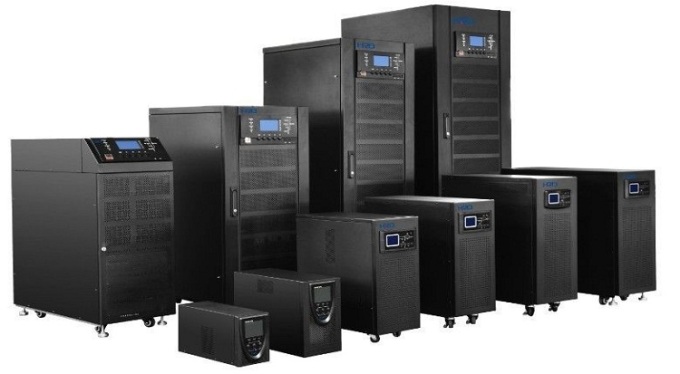
UAE UPS market has been witnessing considerable year on year growth over the past decade as the number of SMB’s and other commercial establishments have continuously risen during the period. Moreover, the IT and data center market of the country has also enhanced providing a significant boost to the industry over the period 2011-2016. Data centers has accounted for a large apportions of demand for online types of UPS systems in the UAE. The data center services market in the country has amplified from USD ~ million in 2014 to USD ~ million in 2016.  Such growth in the data center market has further supplemented the growth in the UAE UPS market over the period 2011-2016.
The market is largely dominated by three players namely APC, Vertiv and Eaton that have accounted for a combined revenue share of ~% in 2016. UAE UPS market was valued at USD ~ million in 2011, which augmented to USD ~ million in 2016.uae-ups-industry
UAE UPS market thrives majorly from the import of tools from countries such as China, the Philippines, Germany, Italy, US, India, France, Slovakia and others.  Almost all the manufacturers present in the industry are importing ~% of their goods from these countries. The proportion of domestic production is almost negligible. None of the key players operating in the market is manufacturing their UPS systems domestically in the UAE. The custom duty on import of UPS systems in the UAE is ~% due to which all the major players are importing their products and saving on various investment costs.
Indirect channel is the most prevalent way of selling UPS systems in the UAE. Majority of the manufacturers in the market have channel partners spread in different parts of the country.  Major companies like APC, Eaton, Emerson Network Power/Vertiv and Tripp Lite have a distribution network consisting of two entities, Resellers and System Integrators.
What have been the Major Segments that has Driven Change?
Segmentation by Type of UPS
Line interactive type has been the most popular UPS type in the UAE due to high reliability, ideal for rack/distributed servers and for harsh power environments. These types of UPS systems are demanded by majority of commercial establishments in the UAE due to which it has gathered the largest share in the market. It has accounted for a share of around ~% during 2016. Online systems followed line interactive systems due to its popularity among large organizations and data centers. Moreover, online systems are slightly more expensive considered to line interactive systems, resulting in high revenue generation.
By KVA Rating
Below 10 KVA have gathered the share of ~% in the UAE UPS market during 2015, by revenue. Majority of SME’s in the UAE use UPS systems with KVA rating below 10. As of 2016, there are around ~ SMEs in the UAE that for around ~% private-sector employment. SME’s in Dubai have witnessed around ~% year on year growth in Dubai over the period 2011-2016 With around ~ new SME’s opened in Dubai alone during 2016. Apart from this, retails shops, malls, schools, colleges and residential sector also demands UPS of below 10 KVA.
By End Users
Commercial segment accounted for the largest share of ~% in the revenues of the UPS market in 2016. There are large numbers of end users from the commercial sector that generate significant demand for UPS systems such as commercial offices, government bodies, educational infrastructures and others. Projects for these end users are considerably larger compared to residential sector. For instance, during 2015, 30 KVA APC by Schneider Electric UPS systems was installed in Dubai Police Headquarters recently. The cost for the project was AED ~ (USD ~) which is significantly more than residential projects. Moreover, the commercial segment generates demand for all three types of UPS systems (line interactive, standby and online).
How Has Imports Driven UAE UPS Market?
UAE UPS market is driven by imports. Almost all the players in the space are importing their UPS systems from different countries and selling them in the UAE.
As of 2016, almost ~% of the UPS systems sold in the UAE are imported. All the major players in the market including APC by Schneider Electric, Emerson/Vertiv, Eaton, Socomec, AEG Power Solutions and Tripp Lite are importing their systems from different countries and selling them in the UAE.
Sales tax or custom duty on import of UPS systems in the UAE is ~%. US, China, the Philippines are the major countries that export UPS systems to the UAE. Apart from these, Germany, Italy and France are also considered as key exporters of UPS systems. As of 2016, these countries account for more than ~% of the total share of import of UPS systems in the UAE.
Companies Cited in the Report
List of Companies                                                                   Companies Covered in the Report
  • APC by Schneider Electric
  • Emerson Network Power/Vertiv Major Players
  • Eaton
  • TrippLite
  • AEG Power Solutions
  • Socomec
Key Factors Considered in the Report
  • Comprehensive analysis of the UAE UPS Market and its segments
  • Listed major players and their positioning in the market
  • Identified major industry developments in last few years and assessed the future growth of the industry
  • Future outlook and projections of the UAE UPS market

For more coverage click on the link below:
Related links:
Contact Us:
Ken Research
Ankur Gupta, Head Marketing & Communications
Ankur@kenresearch.com
+91-9015378249

UAE UPS Market Future Outlook to 2021: Ken Research

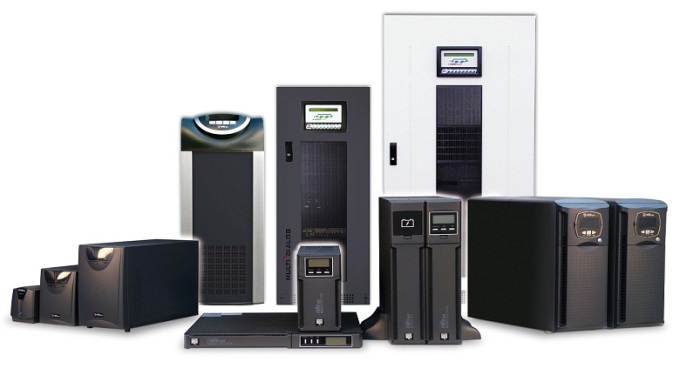
The report titled “UAE UPS Market Outlook to 2021 - Rising Number of SMBs and Enhancing Commercial Sector to Foster Growth” provides a comprehensive analysis of UPS market in the UAE. The report focuses on overall market size for sale of UPS systems. Market is segmented based on product type and sub segmented based on their essential features and technical specifications. Segmentation is also done on the basis of KVA Ratings. The report also covers customer’s buying decision parameters, competitive landscape of major players in the UAE UPS Market and import scenario. The report concludes with market projection for future and analyst recommendation highlighting the major opportunities and trends.
This report helps readers to identify the ongoing trends in the market and anticipated growth in future depending upon changing market dynamics in the coming years. The report will help existing distributors, manufacturers along with end users in UPS division to align their market centric strategies according to ongoing and expected trends in the future
uae-ups-market-size
The sector has been witnessing significant growth in recent years, supported by several drivers such as the surging number of SMBs and rising commercial establishments in the country. The industry is represented by major international players such as APC by Schneider Electric, Emerson Network Power/Vertiv, Eaton, TrippLite, Socomec, AEG Power Solution and others. The market for UPS market was evaluated at USD ~ million during 2015, grown at a CAGR of ~% during 2011-2016.
UAE UPS market thrives majorly from the import of tools from countries such as China, the Philippines, Germany, Italy, US, India, France, Slovakia and others. Almost all the manufacturers present in the industry are importing their goods from these countries. The custom duty on import of UPS systems in the UAE is ~% due to which all the major players are importing their products and saving on various investment costs.
Below 10 KVA have gathered ~% share in the UAE UPS market during 2016, by revenue. Majority of SME’s in the UAE use UPS systems with KVA rating below 10.
Line Interactive: Line interactive type has been the most popular UPS type in the UAE due to high reliability, ideal for rack/distributed servers and for harsh power environments. These types of UPS systems are demanded by majority of commercial establishments in the UAE due to which it has gathered the largest share in the market. It has accounted for a share of around ~% during 2016.
Online: Online systems followed line interactive systems due to its popularity among large organizations and data centers. Moreover, online systems are slightly more expensive considered to line interactive systems and have accounted for a revenue share of ~% in the UAE UPS market during 2016.
Standby UPS: Standby UPS is the most common type of UPS used for personal computers. The systems are considered as best value for personal workstations, however for other applications, line interactive and online are better.
UAE UPS market is led by three players, APC by Schneider Electric, Vertiv/Emerson Network Power and Eaton. These three players accounted for a combined revenge share of ~% in the market during 2016. As of 2016, there are around ~ players present in the UAE UPS market.
UAE UPS market has been anticipated to grow at a significant pace over the coming five years. The market growth will be witnessed majorly on the grounds of growing number of SMB’s in the UAE. Growing number of SMB’s in the country will provide major boost to the market over the period 2016-2021. Apart from this the growing IT market in the UAE which demand for technologically advanced expensive UPS systems will also supplement the growth in the industry over the period 2016-2021. UAE UPS market has been projected to grow to USD ~ million by 2021, posting a expected CAGR growth of ~% from 2016-2021.
Key Topics Covered in the Report:
 Market size of UPS Market in the UAE
Segmentation of UPS Market in the UAE by Type of UPS Systems
Segmentation of UPS Market in the UAE by KVA Rating
Segmentation of UPS Market in the UAE by End Users
Import Scenario of UPS Systems in the UAE
Customer’s Buying Decision Parameters
Government Compliances in the UAE UPS Market
Trends and Developments in the UAE UPS Market
Competition Scenario in the UAE UPS Market
Market Share of Major Players in the UAE UPS Market, 2016
Competitive Landscape of Major Players in the UAE UPS Market
UAE UPS Market Future Outlook and Projections, 2017-2021
For more coverage click on the link below:
Related links:
Contact Us:
Ken Research
Ankur Gupta, Head Marketing & Communications
Ankur@kenresearch.com
+91-9015378249

South Korean Meat Market Expected To Record Better Results: Ken Research

Ken Research has announced its distribution on, “Consumer and Market Insights: Meat in South Korea” which provides insights on high growth categories to target, trends in the usage of packaging materials, types and closures category level distribution data and brands market shares.
It shows the value and growth analysis for Ambient Meat, Chilled Raw Packaged Meat-Processed, Chilled Raw Packaged Meat-Whole Cuts, Cooked Meats-Counter, Cooked Meats-Packaged, Fresh Meat, and Frozen Meat with inputs on individual sector share within each category and the change in their market share expectations for 2015-2020.
It identifies the most important trends within the market and shows whether beliefs over the reasons responsible for influencing consumer behavior are accurate and uses a unique method of quantifying the consumer trends in order to highlight the degree of influence they have on consumption.
south-korea-meat-market
It gets easier to identify high potential areas and investigate future market opportunities based on complete value and volume analysis and the existing as well as new players are able to well analyze the key distribution channels for identification and evaluation of trends and opportunities. An important notability on the changes expected in the market helps to provide a clear image of the opportunities that can be tapped over the coming years, resulting in revenue generation and reviews and recommendations on how the market will mould.
It aids in gaining an in-depth comprehension of the competitive landscape based on detailed brand share analysis for proper execution of an effective market positioning. Market share of brands and private labels, including private label growth analysis from 2012-2015 makes available the data for leading players in the market and also the top consumer trends that influence meat products consumption.
Economic Outlook
  • Growing uneasiness for obesity in South Korea has increased demand for low-fat Meat products, while audacious consumers drive demand for new Meat variants. A larger share of adults as well as mid-lifers with higher disposable incomes i.e. increased purchasing power is also creating demand for the packaged products in the country.
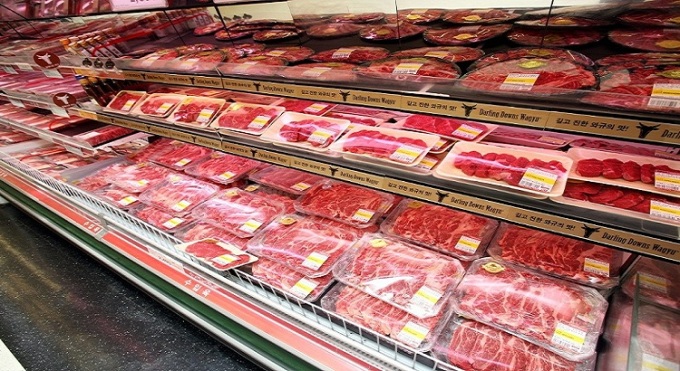
  • The Fresh Meat category has the highest volume share in the overall Meat market. South Korea's Meat market is headed by Fresh Meat, the largest category in 2015.
  • Hypermarkets & Supermarkets are the cardinal distribution channels across all categories in the meat market and are expected to expand well in the coming years.
  • Rigid Plastics are the commonly used packaging material in the meat market and expected to retain their significance in the future.
  • The Frozen Meat is seen as the fastest growing category during 2015-2020 and if it grows as predicted, it will account for a major share in the overall development of the meat market.
Key Factors Considered in the Report
Global meat industry research
South Korea meat market research report
South Korea meat industry Trends
South Korea meat market future outlook
South Korea Meat import volume
Meat export volume South Korea
Prepared meat market South Korea
Fresh meat market South Korea
Frozen Meat Industry South Korea
For more coverage click on the link below:
https://www.kenresearch.com/food-beverage-and-tobacco/general-food/consumer-insights-meat-south-korea/78844-11.html

Related links:
Contact Us:
Ken Research
Ankur Gupta, Head Marketing & Communications
Ankur@kenresearch.com
+91-9015378249

Wednesday, January 25, 2017

Slow Growth of Indian Meat Sector in Global Industry: Ken Research

Ken Research has announced its distribution on, “Consumer and Market Insights: Meat in India” which provides an overview of the market by analyzing market data, demographic consumption patterns within the category, and the key consumer trends that lead to consumption.
The report highlights innovative new product development that effectively targets the most appropriate consumer need states, and offers strategic recommendations for capitalization of the evolving consumer landscapes.
india-meat-market
It well recognizes the key demographic groups that drive consumption, and what motivates the consumption. An in-depth study of market and category dynamics enables the users to identify key opportunities, and what they need to do in order to target them.
It uses an extraordinary method of quantifying consumer trends for outlining the degree of influence emphasized on consumption within the category and also identifies the most important trends within the market and tells whether beliefs over what influences consumer behavior within the category are accurate and up to date.
It brings together consumer analysis and market data to give an actionable insight into the behavior of Indian meat consumers and further allows product and marketing strategies to be better aligned with the leading trends in the market through examples of international and India-specific product innovation that target key needs of the ultimate consumers.
ECONOMIC OUTLOOK
  • The Indian Meat Market accounts for the lowest share of overall market amongst the major world economies being a developing country, though it is improving gradually.
  • The market has emerged at somewhere above 6% during 2010-2015, though it fell in dollar terms over the period due to depreciation of the Rupee against the Dollar.
  • The Fresh Meat category is able to maintain the highest volume share in the overall Meat market and the average price of most meat products in India is higher than in other developing countries.
  • The Indian Meat market will continue to grow at more than 6% compounded annual growth rate in the years to approach driven by the country’s large young population and increasing disposable income.
  • Private label products had a high market and the Fresh Meat accounted for the highest private label share in 2014 and was the largest category in value terms, while Chilled Raw Packaged Meat - Whole Cuts category is forecasted to record the fastest growth.
  • The use of versatile packaging material for packing Meat is expected to grow at an improved CAGR in future that will lead to a rise in demand for Packaged Meats.
Key Factors Considered in the Report
Global meat industry research
India meat market research report
India meat industry Trends
India meat market future outlook
India Meat import volume
Meat export volume India
Prepared meat market India
Fresh meat market India
Frozen Meat Industry India
For more coverage click on the link below:
Related links:
Contact Us:
Ken Research
Ankur Gupta, Head Marketing & Communications
Ankur@kenresearch.com
+91-9015378249

Enormous growth in Ice cream Market in Egypt: Ken Research

Ken research announced recent publication on,  Consumer and Market Insights: Ice Cream in Egypt This market insights report focuses on the Ice Cream market in Egypt. It sheds light on the ingredient materials, types and closures category level distribution data and brands market shares prevailing in this economy. Market analyse overall market value and volume data with growth analysis for 2010-2020. The category coverage inculcates value and growth analysis for Artisanal Ice Cream, Impulse Ice Cream-Single Serve, and Take-Home and Bulk Ice Cream with inputs on individual segment share within each category and the change in their market share forecast for 2015-2020. Leading player's market share of various brands and private labels followed by private label growth analysis during 2012-2015 is viewed. The percentage of sales within each category through distribution channels such as Hypermarkets & Supermarkets, Convenience Stores, Food & Drinks Specialists, On-trade and others is provided followed by the packaging data analysis, which compasses consumption breakdown for packaging materials and containers in each category, in terms of percentage share of number of units sold. Packaging material data for Flexible Packaging, Paper & Board and Rigid Plastics; container data for: Bag/Sachet, Tub and Wrapper etc. are given due importance. Clients can very well identify elevated potential categories and explore further market opportunities based on detailed value and volume analysis. Existing and new players can analyse key distribution channels to identify and evaluate trends and opportunities hence, gain an understanding of the total competitive landscape based on detailed brand share analysis to plan effective market positioning in Egyptian ice cream market.
egypt-ice-cream-market
It is seen that the Egypt's Ice Cream market will register high growth in price terms compared to volume terms during 2015-2020. Escalating income and substantial youthful consumer base will drive the growth in Ice Cream market. Ice cream has witnessed stronger volume growth in 2016 than in the previous year, which illustrates that the category has been able to recover from the poor economic conditions that put a strain on both impulse and take-home ice cream sales. Nestlé Egypt SAE is still the frontrunner in ice cream in 2016, with more than seventy percent of value share. The company offers a very large variety of ice cream brands under several different categories. Additionally, these brands have an established presence in the market and they are the subject of significant marketing campaigns, particularly television advertisements. Nestlé is also well placed to develop and introduce further brand extensions, which include more ingredients or different flavour groupings. Artisanal Ice Cream is the largest category in value terms as well as in volume terms, in the Ice Cream market. In the category of Impulse Ice Cream, single serve is calculated to be the greatest growing category in terms of both off-trade and on-trade value and volume during the forecast period.
Egyptian consumers are opting for value for money products in the Ice Cream market. As a result, Kimo, Sqizz Nestle, Dolecca and Hawaii are the leading brands in the Ice Cream market in Egypt. This projected growth is based on the presence of a higher number of brands in the category and the wider variety of flavours, which have been introduced. The leading companies are taking a positive stance in terms of increasing sales through continuous innovations. Additionally, as the country’s political and economic situation improves, consumer confidence is set to increase. Therefore, companies are likely to introduce new brands, specifically ones that appeal to children and that are positioned as inexpensive.
In Egypt, Artisanal Ice cream manufactured by small local producers for sale on the premises. Also includes branded gourmet ice cream and includes both on and off trade consumption. On trade-includes Gourmet ice cream (eaten on premises of small ice cream parlours or local producers and branded gourmet players). Includes all scoops, cups, cones, soft-serve etc. manufactured by artisanal players. Off trade-includes Gourmet ice cream (small ice cream parlours or local producers and branded gourmet players-taken away for consumption and NOT consumed on-premises). Includes any packaged impulse/take-home ice creams manufactured by artisanal players.
Companies Covered
IFFCO, Kheir Zaman, Mars, Incorporated , Ragab Sons, Spinneys Egypt Ltd, Unilever plc
Key Factors Considered in the Report
Egypt Ice Cream Market Research Report
Ice Cream Market Size Egypt
Egypt Ice Cream Demand
Ice Cream Market Future Outlook Egypt
Egypt Ice Cream Market Trends
Milk Products Demand Egypt
Egypt Ice Cream Industry Outlook
Egypt Ice Cream Market Competition
For more coverage click on the link below:
 Related links:
Contact Us:
Ken Research
Ankur Gupta, Head Marketing & Communications
Ankur@kenresearch.com
+91-9015378249