Thursday, June 7, 2018

Retinal Vein Occlusion Market Research Report-Ken Research


Global Markets Direct's latest Pharmaceutical and Healthcare disease pipeline guide Retinal Vein Occlusion - Pipeline Review, H1 2018, provides an overview of the Retinal Vein Occlusion (Ophthalmology) pipeline landscape.
Retinal vein occlusion is a blockage in one of the veins returning blood flow from the retina. The retina is where images are converted to nerve signals. The primary symptom of retinal vein occlusion is a sudden painless change in vision. Predisposing factors are atherosclerosis, macular edema, diabetes, high blood pressure, high cholesterol and age.
Global Markets Direct's Pharmaceutical and Healthcare latest pipeline guide Retinal Vein Occlusion - Pipeline Review, H1 2018, provides comprehensive information on the therapeutics under development for Retinal Vein Occlusion (Ophthalmology), complete with analysis by stage of development, drug target, mechanism of action (MoA), route of administration (RoA) and molecule type. The guide covers the descriptive pharmacological action of the therapeutics, its complete research and development history and latest news and press releases.
The Retinal Vein Occlusion (Ophthalmology) pipeline guide also reviews of key players involved in therapeutic development for Retinal Vein Occlusion and features dormant and discontinued projects. The guide covers therapeutics under Development by Companies /Universities /Institutes, the molecules developed by Companies in Phase III, Phase II, Phase I, Preclinical, Discovery and Unknown stages are 3, 4, 3, 11, 1 and 1 respectively.
Retinal Vein Occlusion (Ophthalmology) pipeline guide helps in identifying and tracking emerging players in the market and their portfolios, enhances decision making capabilities and helps to create effective counter strategies to gain competitive advantage. The guide is built using data and information sourced from Global Markets Direct's proprietary databases, company/university websites, clinical trial registries, conferences, SEC filings, investor presentations and featured press releases from company/university sites and industry-specific third party sources. Additionally, various dynamic tracking processes ensure that the most recent developments are captured on a real time basis.
The pipeline guide provides a snapshot of the global therapeutic landscape of Retinal Vein Occlusion (Ophthalmology). The pipeline guide reviews pipeline therapeutics for Retinal Vein Occlusion (Ophthalmology) by companies and universities/research institutes based on information derived from company and industry-specific sources. The pipeline guide covers pipeline products based on several stages of development ranging from pre-registration till discovery and undisclosed stages. The pipeline guide features descriptive drug profiles for the pipeline products which comprise, product description, descriptive licensing and collaboration details, R&D brief, MoA & other developmental activities.
The pipeline guide reviews key companies involved in Retinal Vein Occlusion (Ophthalmology) therapeutics and enlists all their major and minor projects. The pipeline guide evaluates Retinal Vein Occlusion (Ophthalmology) therapeutics based on mechanism of action (MoA), drug target, route of administration (RoA) and molecule type. The pipeline guide encapsulates all the dormant and discontinued pipeline projects. The pipeline guide reviews latest news related to pipeline therapeutics for Retinal Vein Occlusion (Ophthalmology).
Procure strategically important competitor information, analysis, and insights to formulate effective R&D strategies. Recognize emerging players with potentially strong product portfolio and create effective counter-strategies to gain competitive advantage. Find and recognize significant and varied types of therapeutics under development for Retinal Vein Occlusion (Ophthalmology). Classify potential new clients or partners in the target demographic. Develop tactical initiatives by understanding the focus areas of leading companies.
Plan mergers and acquisitions meritoriously by identifying key players and it's most promising pipeline therapeutics. Formulate corrective measures for pipeline projects by understanding Retinal Vein Occlusion (Ophthalmology) pipeline depth and focus of Indication therapeutics. Develop and design in-licensing and out-licensing strategies by identifying prospective partners with the most attractive projects to enhance and expand business potential and scope. Adjust the therapeutic portfolio by recognizing discontinued projects and understand from the know-how what drove them from pipeline.
For more information on the research report, refer to below link:

Related Reports:


Contact Us:
Ken Research
Ankur Gupta, Head Marketing & Communications
Sales@kenresearch.com
+91-9015378249

Global Spinocerebellar Ataxia (SCA) Market Research Report: Ken Research

Global Markets Direct's latest Pharmaceutical and Healthcare disease pipeline guide Spinocerebellar Ataxia (SCA) - Pipeline Review, H1 2018, provides an overview of the Spinocerebellar Ataxia (SCA) (Genetic Disorders) pipeline landscape.

Spinocerebellar Ataxias (SCA) are a group of inherited conditions that affect the brain and spinal cord causing progressive difficulty with coordination. Symptoms include poor coordination, unsteady walk and a tendency to stumble, change in speech and difficulty swallowing.

Global Markets Direct's Pharmaceutical and Healthcare latest pipeline guide Spinocerebellar Ataxia (SCA) - Pipeline Review, H1 2018, provides comprehensive information on the therapeutics under development for Spinocerebellar Ataxia (SCA) (Genetic Disorders), complete with analysis by stage of development, drug target, mechanism of action (MoA), route of administration (RoA) and molecule type. The guide covers the descriptive pharmacological action of the therapeutics, its complete research and development history and latest news and press releases.

The Spinocerebellar Ataxia (SCA) (Genetic Disorders) pipeline guide also reviews of key players involved in therapeutic development for Spinocerebellar Ataxia (SCA) and features dormant and discontinued projects. The guide covers therapeutics under Development by Companies /Universities /Institutes, the molecules developed by Companies in Phase III, Phase II, Phase I, Preclinical and Discovery stages are 2, 2, 1, 4 and 2 respectively. Similarly, the Universities portfolio in Phase III, Preclinical and Discovery stages comprises 1, 1 and 2 molecules, respectively.

Spinocerebellar Ataxia (SCA) (Genetic Disorders) pipeline guide helps in identifying and tracking emerging players in the market and their portfolios, enhances decision making capabilities and helps to create effective counter strategies to gain competitive advantage. The guide is built using data and information sourced from Global Markets Direct's proprietary databases, company/university websites, clinical trial registries, conferences, SEC filings, investor presentations and featured press releases from company/university sites and industry-specific third party sources. Additionally, various dynamic tracking processes ensure that the most recent developments are captured on a real time basis.

The pipeline guide provides a snapshot of the global therapeutic landscape of Spinocerebellar Ataxia (SCA) (Genetic Disorders).

The pipeline guide reviews pipeline therapeutics for Spinocerebellar Ataxia (SCA) (Genetic Disorders) by companies and universities/research institutes based on information derived from company and industry-specific sources.

The pipeline guide covers pipeline products based on several stages of development ranging from pre-registration till discovery and undisclosed stages.

The pipeline guide features descriptive drug profiles for the pipeline products which comprise, product description, descriptive licensing and collaboration details, R&D brief, MoA & other developmental activities.

The pipeline guide reviews key companies involved in Spinocerebellar Ataxia (SCA) (Genetic Disorders) therapeutics and enlists all their major and minor projects.

The pipeline guide evaluates Spinocerebellar Ataxia (SCA) (Genetic Disorders) therapeutics based on mechanism of action (MoA), drug target, route of administration (RoA) and molecule type.

The pipeline guide encapsulates all the dormant and discontinued pipeline projects.

The pipeline guide reviews latest news related to pipeline therapeutics for Spinocerebellar Ataxia (SCA) (Genetic Disorders)

To know more, click on the link below:

Related Reports:


Contact Us:
Ken Research
Ankur Gupta, Head Marketing & Communications
0124-4230204

Thailand Catering Market Research Report: Ken Research

How the Thailand Catering Market is positioned?
The economy of Thailand has gained momentum with the expansion of GDP by 3.3% in the first quarter of 2017 and 3.7% in the second quarter. The country’s GDP recorded a growth rate of 0.8% in 2014, 2.8% in 2015, and 2.5% in 2016. The World Bank projected economic growth of 3.5% for the year 2017. Apart from the growing agriculture sector, the tourism industry of Thailand has played a significant role in boosting the economy of the country.
Catering services offered to domestic and foreign population in the nation have expanded phenomenally over the years. The overall size of Thailand catering market was recorded at USD ~ million during 2017, increasing from USD ~ million during 2012, at a robust CAGR of ~% during the same period. The market is at a mid growth stage with a continuous expectation of witnessing significant growth in the recent future as well. Expansions in caterers’ service portfolio to meet the changing preferences of various sectors across all major and minor regions of Thailand have led to a surge in the revenues of the overall catering industry. Total exhibitions went up to ~ during 2017 from ~ exhibitions during 2014. The rise in the numbers of such grand events boosted the overall revenues of the catering market, wherein the players offered organizing, decoration, food and other allied services. The total numbers of MICE travelers for various corporate events augmented from ~ during 2012 to ~ during 2017. The increase in guests to serve in meetings, incentives, conventions and exhibitions contributed to the revenues of the market players by expanding their customer base.
How Have the Different Sectors Performed Within the Market?
The hospitality sector (hotels and wedding/event halls) of Thailand contributed the majority share of USD ~ million to the overall revenues generated by the country’s catering market during 2017. Almost all wedding ceremonies and corporate events are hosted by the hotels in the country. This has made hospitality sector the top end user of catering services. In-Flight catering services contributed USD ~ million to the overall revenues generated by the caterers in Thailand during 2017. As per Air Transport Information Division of the Airports of Thailand PCL, ~ million passengers travelled through air transport in the country between 1st January 2017 and 30th September 2017. This enhanced the customer base of the caterers offering food and other related services to passengers in flights, thereby adding to the overall market revenues. Market players offering catering services to schools and universities in the country constituted ~% in the overall revenues of Thailand catering market during 2017. Catering services offered to the healthcare sector in Thailand contributed ~% to the overall revenues generated by caterers in the country during 2017.
How has the Hospitality Sector Performed?
The hospitality sector of Thailand contributed the majority share of ~% to the overall revenues generated by the country’s catering market during 2017. 5 star hotels collectively generated USD ~ million from their food and event catering services during 2017. 4 star hotels on the other hand accounted for the second largest share, adding USD ~ Million in hospitality catering market revenues during 2017. While, wedding halls and 3 star hotels generated USD ~ million and USD ~ from catering in 2017 respectively.
How is the Competition Scenario in the Catering Industry of Thaland?
Thailand catering market is highly competitive with few larger players acquiring the major chunk of the overall market revenues. The service providers in the industry include pure-play catering companies, wedding/event halls, 5 star hotels, 4 star hotels and 3 star hotels. All these caterers provide services to various sets of consumers across the country. Catering service providers operating in the space compete on various grounds to gain a higher share in the overall revenues. The major parameters which boosted the competition between various hotels offering catering services in Thailand included number and capacity of ballrooms, diversity in menu, location, per head cost, and number and capacity of meeting rooms within the hotel premises.
What Parameters Do Customers Consider Before Selecting Caterer
The parameters for selecting a particular catering company by the end user vary depending upon the type of audience to be catered and the amount which the ultimate consumers are willing to spend. Opting for the most suitable caterer often depends on price, the brand image of the company, quality of food and other catering service, proximity, variety of services offered, and references given by other companies associated with the caterer. Quality of food is the most important criteria for most of the customers in various sectors of the country.
Growth Drivers
There has been a continuous rise in the numbers of aircraft passengers in Thailand between 2012 and 2016. This has proved beneficial to in-flight catering services providers. With the registration of more numbers of passengers, the demand for caterers also increases, owing to the food requirements of passengers on board. The booming tourism industry has witnessed a continuous rise in the number of foreign tourists in the country over the last 15 years. Increasing numbers of foreign visitors have led to the augmented demand for catering services, majorly in the hospitality sector. The in-flight catering services have also risen due to the same reason.
How Will the Growing Number of MICE Events Shape the Future of Industry, 2018-2022
The revenues generated by catering market players in Thailand are projected to augment to USD ~ million by 2022 from USD ~ million during 2017, registering a robust CAGR of ~% during the same period. Surging numbers of MICE events from ~ during 2017 to ~ during 2022 is also expected to expand he customer base of the caterers during the same period. The rising numbers of marriages from ~ during 2017 to ~ during 2022 is expected to be the major reason behind the dominant share of hospitality sector in the revenues of overall catering market on Thailand by 2022. This is also projected to be accompanied by the rising numbers of MICE events at a CAGR of ~% between 2017 and 2022. In-flight catering services are expected to constitute ~% in the overall revenues during 2022
Companies Cited in the Report
List of Companies                                  Companies Covered in the Report
I Do Catering
Impact Wedding Hall
Millennium Hilton
Intercontinental
Lebua                                                        Major Players
Pullman 
Vivace Wedding Hall
Epicure Catering
Gourmet Catering
Key Factors Considered in the Report
Comprehensive analysis of Thailand Catering Market and its segments
Listed major players and their positioning in the market
Identified major industry developments in last few years and assessed the future growth of the industry.
Number of Hotels Thailand
Catering business in Thailand
Top Wedding Hotels Thailand
Destination Wedding in Thailand
Wedding Package Thailand
Hospitality Market Thailand
Wedding Planners in Thailand
MICE Industry Thailand
Number of MICE events Thailand
Corporate Meetings Package Thailand
Meal Menu In-flight Catering Thailand
For more information on the research report, refer to below link:
Related Reports
Contact Us:
Ken Research 
Ankur Gupta, Head Marketing & Communications
+91-9015378249

Diabetic Retinopathy Market Research Report-Ken Research


Global Markets Direct's latest Pharmaceutical and Healthcare disease pipeline guide Diabetic Retinopathy - Pipeline Review, H1 2018, provides an overview of the Diabetic Retinopathy (Metabolic Disorders) pipeline landscape.
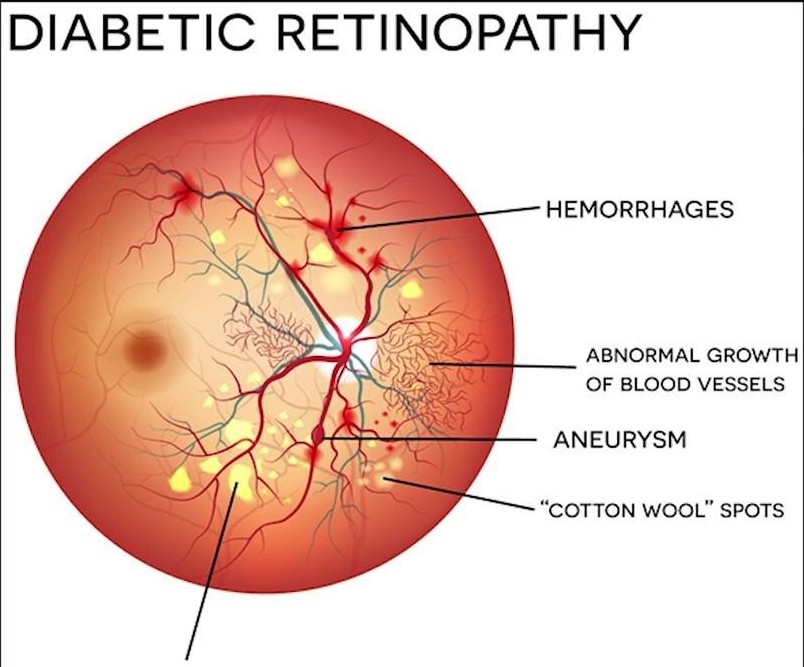
Diabetic retinopathy is a complication of diabetes that affects the eyes. Diabetic retinopathy symptoms may include spots or dark strings floating in vision (floaters), blurred vision, fluctuating vision, vision loss and difficulty with color perception. The predisposing factors include diabetes, high blood pressure, high cholesterol, pregnancy and tobacco use. Global Markets Direct's Pharmaceutical and Healthcare latest pipeline guide Diabetic Retinopathy - Pipeline Review, H1 2018, provides comprehensive information on the therapeutics under development for Diabetic Retinopathy (Metabolic Disorders), complete with analysis by stage of development, drug target, mechanism of action (MoA), route of administration (RoA) and molecule type. The guide covers the descriptive pharmacological action of the therapeutics, its complete research and development history and latest news and press releases.
The Diabetic Retinopathy (Metabolic Disorders) pipeline guide also reviews of key players involved in therapeutic development for Diabetic Retinopathy and features dormant and discontinued projects. The guide covers therapeutics under Development by Companies /Universities /Institutes, the molecules developed by Companies in Phase III, Phase II, Phase I, Preclinical, Discovery and Unknown stages are 4, 9, 7, 47, 12 and 1 respectively. Similarly, the Universities portfolio in Preclinical and Discovery stages comprises 7 and 1 molecules, respectively. Diabetic Retinopathy (Metabolic Disorders) pipeline guide helps in identifying and tracking emerging players in the market and their portfolios, enhances decision making capabilities and helps to create effective counter strategies to gain competitive advantage. The guide is built using data and information sourced from Global Markets Direct's proprietary databases, company/university websites, clinical trial registries, conferences, SEC filings, investor presentations and featured press releases from company/university sites and industry-specific third party sources. Additionally, various dynamic tracking processes ensure that the most recent developments are captured on a real time basis.
The pipeline guide provides a snapshot of the global therapeutic landscape of Diabetic Retinopathy (Metabolic Disorders). The pipeline guide reviews pipeline therapeutics for Diabetic Retinopathy (Metabolic Disorders) by companies and universities/research institutes based on information derived from company and industry-specific sources. The pipeline guide covers pipeline products based on several stages of development ranging from pre-registration till discovery and undisclosed stages. The pipeline guide features descriptive drug profiles for the pipeline products which comprise, product description, descriptive licensing and collaboration details, R&D brief, MoA & other developmental activities. The pipeline guide reviews key companies involved in Diabetic Retinopathy (Metabolic Disorders) therapeutics and enlists all their major and minor projects.
The pipeline guide evaluates Diabetic Retinopathy (Metabolic Disorders) therapeutics based on mechanism of action (MoA), drug target, route of administration (RoA) and molecule type. The pipeline guide encapsulates all the dormant and discontinued pipeline projects. The pipeline guide reviews latest news related to pipeline therapeutics for Diabetic Retinopathy (Metabolic Disorders). Procure strategically important competitor information, analysis, and insights to formulate effective R&D strategies. Recognize emerging players with potentially strong product portfolio and create effective counter-strategies to gain competitive advantage. Find and recognize significant and varied types of therapeutics under development for Diabetic Retinopathy (Metabolic Disorders). Classify potential new clients or partners in the target demographic.
Develop tactical initiatives by understanding the focus areas of leading companies. Plan mergers and acquisitions meritoriously by identifying key players and it's most promising pipeline therapeutics. Formulate corrective measures for pipeline projects by understanding Diabetic Retinopathy (Metabolic Disorders) pipeline depth and focus of Indication therapeutics. Develop and design in-licensing and out-licensing strategies by identifying prospective partners with the most attractive projects to enhance and expand business potential and scope. Adjust the therapeutic portfolio by recognizing discontinued projects and understand from the know-how what drove them from pipeline.
For more information on the research report, refer to below link:

Related Reports:

Contact Us:
Ken Research
Ankur Gupta, Head Marketing & Communications
Sales@kenresearch.com
+91-9015378249

Global Scuba Diving Equipment Market Research Report : Ken Research


How the global scuba diving equipment market is positioned in the review period?
Scuba diving is a form of underwater diving sport where the diver uses a self-contained underwater breathing apparatus which is called the scuba that is completely independent of surface supply, to breathe underwater. The scuba diving equipments majorly consist of the Buoyancy Control Device (BCD) and regulators, cylinders and propulsion vehicle, decompression chamber market and exposure suits (Dry Suits and Wet Suits). The global scuba diving equipment market, supported by various micro and macro influencing factors, has managed to display a moderate growth at a CAGR of ~%. The factors that have supported the market growth during the review period consisted of the rising demand for underwater photography, rising number of tourists both domestic and international worldwide, rising interests among the people for recreational water sports activities and healthy lifestyle and others. There are four major entities that include manufacturers, authorized distributors, retailers & customers.
As of 2017, the largest market for scuba diving is Americas that accounted for a share of ~% in the overall scuba diving equipment market, owing to the abundance of water bodies and increased presence of scuba diving enthusiasts in the region. It was followed by Europe, APAC and MEA, that together held a share of ~% in terms of consumer expenditure in 2017.
During the review period, there had been a decline in the growth rate of scuba diving which was due to the restriction imposed on it in US, the largest market, due to the unfavorable weather conditions. However, to address these problems the major players in the market have launched various innovative products like thermal wetsuits that has encouraged more scuba divers to increasingly participate in the sport with ease and comfort. These thermal wetsuits help maintain divers' body temperature during extreme temperatures.
The rising interest in recreational water sports has also supported the market to a great extent. It has been observed that, among the youth population aged between 6-17 years, along with the traditional water sports activities there have been a budding interest for water sports activities such as scuba diving.
Which is the best selling scuba diving equipment?
Buoyancy Control Device (BCD) and the Regulators account for the largest share of ~% in the scuba diving equipment market in 2017.
Cylinders and diver propulsion vehicle together accounted for a share of ~% in the scuba diving equipment market in 2017. These are also among the essential equipments in the market. They have accounted for a lower share in the market due to the lack of repeat business. The replacement rate for the same is low.
Decompression chamber accounted for a share of ~% in terms of consumer expenditure in the scuba diving equipment market in 2017.
The apparel segment of the sport majorly includes wetsuits and drysuits. These exposure suits have accounted for a share of ~% in the scuba diving equipment market in 2017.
Other equipments in the market includes accessories such as headset/Hood, Watch, Torch, Knife and other accessories requires while performing the water sport. As of 2017, the segment has accounted for the least share of ~% in the scuba diving equipment market.
Which region has contributed highest among scuba diving equipments?
The scuba diving equipment market has been dominated by the region Americas accounting for a share of ~% in the year 2017. The major factors that support the domination of the region in the market are the presence of numerous scuba diving sites and the number of enthusiasts present in the region. The US holds the largest market for scuba diving equipments in Americas owing to the scuba diving destinations in the southern and western coasts.
Europe has accounted for the second largest share in the scuba diving equipment market holding a share of ~% in the overall consumer expenditure. The market is lead by the tourism sector in the region.
APAC accounted for a share of ~% in the scuba diving equipment market in 2017. The market is also led by tourism and the region has been the fastest growing region for the scuba diving equipment market as of 2017.
As for all other water sports activities, Middle East and Africa has accounted for the least share of ~% in the scuba diving equipment market. The lack of natural water bodies, low visibility unfavorable currents and lack of enthusiasts are the major hindrances for the growth in the market.
Scuba Diving Equipments Market- Competitive Landscape
Global scuba diving equipment market is highly fragmented with the presence of large and medium sized players. The absence of strict regulations to enter the market has made it easy for new players to easily enter the market raising the level of competition in the market.
Majority of the well-established players in the market depend on small suppliers and outsourced processes for manufacturing the equipment parts. Similarly the suppliers in the market depend on many manufacturers to sell their products. Hence, the bargaining power of suppliers can be considered to be moderate.
The players operating in the market are focusing on refining their production techniques and increasing efficiency and innovation. Moreover, companies are focusing on increasing their production capacity by establishing new production plants. This is expected to raise the capacity of the market to meet the growing demand from the customers.
The players in the market compete on many factors such as quality, price, technological advancements, geographical presence, innovations and brand position. Different companies adopt different strategies to sustain in the market.
Rapid technological changes and consumer preferences in the scuba diving equipment market along with the inflow of private labels has increased the competition in the market. As a result, players need to produce technologically advanced and innovative products and distinguish their offerings to sustain in the market.
Scuba Diving Equipments Market- Future Projections
The global scuba diving equipment market is anticipated to grow at a CAGR of ~% in the forecast period from 2018-2022E. Some of the major growth drivers for the market are considered to be the rising popularity of the sport among the people, growing number of artificial scuba diving facilities, rising interest in underwater photography and others. It is expected that the consumer expenditure in the market shall reach USD ~ billion by 2022
The Americas is expected to be the leading region in the scuba diving equipment market. The region’s growth can be attributed to the rising number of both inland and outdoor scuba diving facilities and growing interest among the people for underwater photography.
Moreover, the market is expected to witness an increased focus of the major players on technological advancements made in the product offerings. In the coming years the market is expected to see an increase in the number of innovative products and scuba diving accessories.
The equipments BCDs and regulators are expected to continue its leading position in the market owing to its replacement rate and price.
For more information on the research report, refer to below link:
Related Reports
Contact Us:
Ken Research
Ankur Gupta, Head Marketing & Communications
sales@kenresearch.com
+91-9015378249